Ground Cover Planting in Honolulu, HI
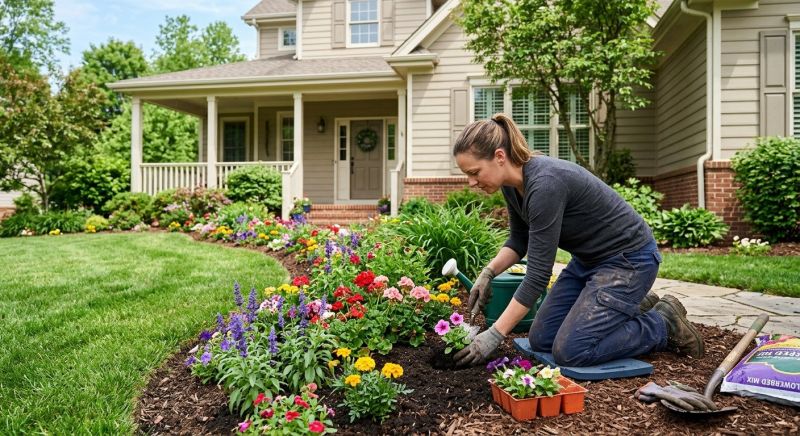
Ground cover planting services involve selecting and installing low-growing plants that spread across the ground to create a lush, uniform appearance. These services are often used for landscaping projects such as filling in bare patches, controlling erosion, reducing weed growth, and enhancing the overall aesthetic of gardens, pathways, or yard spaces. Property owners typically want to understand the types of ground cover plants suitable for their climate and soil conditions, the maintenance requirements, and how the plants will complement existing landscaping features.
Before requesting ground cover planting, homeowners should consider the specific purpose of the project, such as creating a soft surface for walking or establishing a decorative feature. It’s helpful to know the size of the area to be covered, the desired look or texture, and any preferences for native or drought-resistant plants. Clarifying these details can ensure the selected ground cover aligns with the property’s needs and aesthetic goals.
Many property owners in Honolulu, HI look into Ground Cover Planting for repairs, replacements, upgrades, and appearance-related improvements.
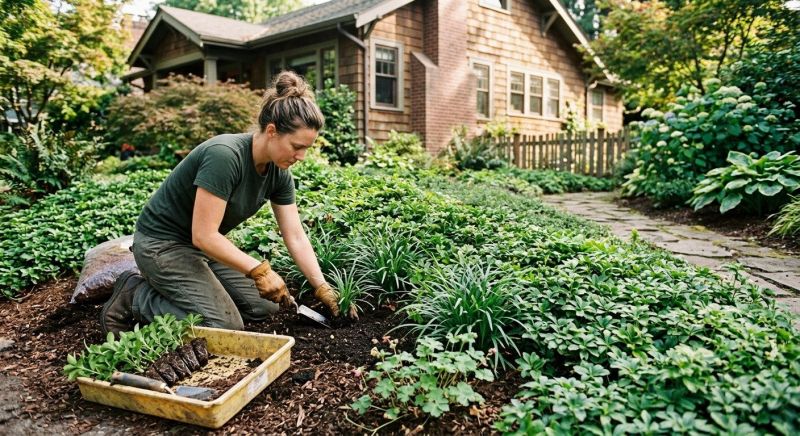
Ground Cover Planting For Landscaping
Enhances yard aesthetics and reduces soil erosion around honolulu properties.
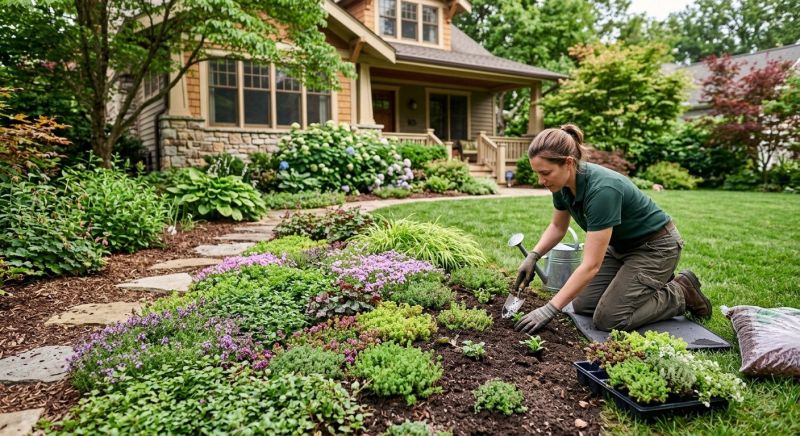
Low-Maintenance Ground Cover Options
Provides a lush, durable surface that requires minimal upkeep for hawaiian gardens.
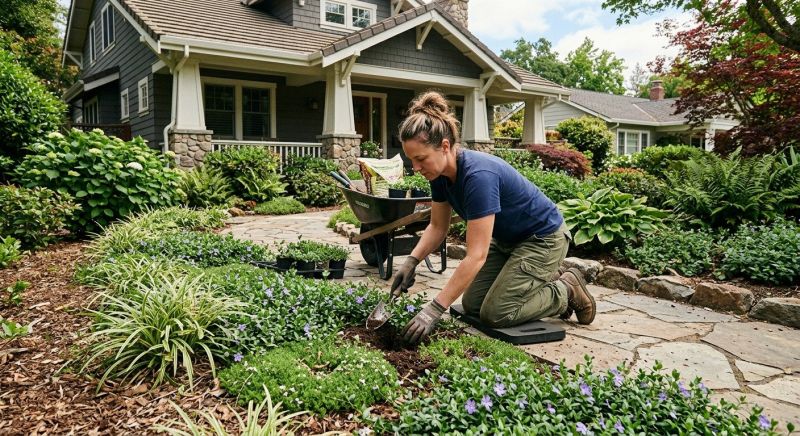
Erosion Control And Soil Stabilization
Helps prevent runoff and maintains landscape integrity on sloped or vulnerable areas.
Ground Cover Planting in Honolulu, HI

Ground cover planting services involve selecting and installing low-growing plants that spread across the ground to create a lush, uniform appearance. These services are often used for landscaping projects such as filling in bare patches, controlling erosion, reducing weed growth, and enhancing the overall aesthetic of gardens, pathways, or yard spaces. Property owners typically want to understand the types of ground cover plants suitable for their climate and soil conditions, the maintenance requirements, and how the plants will complement existing landscaping features.
Before requesting ground cover planting, homeowners should consider the specific purpose of the project, such as creating a soft surface for walking or establishing a decorative feature. It’s helpful to know the size of the area to be covered, the desired look or texture, and any preferences for native or drought-resistant plants. Clarifying these details can ensure the selected ground cover aligns with the property’s needs and aesthetic goals.
Many property owners in Honolulu, HI look into Ground Cover Planting for repairs, replacements, upgrades, and appearance-related improvements.
Common Ground Cover Planting Jobs
Ground Cover Planting - adds low-maintenance greenery to landscape areas.
Mulch Installation - helps suppress weeds and retain soil moisture.
Stepping Stone Pathways - creates functional and attractive ground covers.
Ground Cover Replacement - replaces worn or damaged ground cover materials.
Native Plant Ground Cover - enhances local biodiversity and reduces upkeep.
Erosion Control Ground Cover - stabilizes slopes and prevents soil erosion.

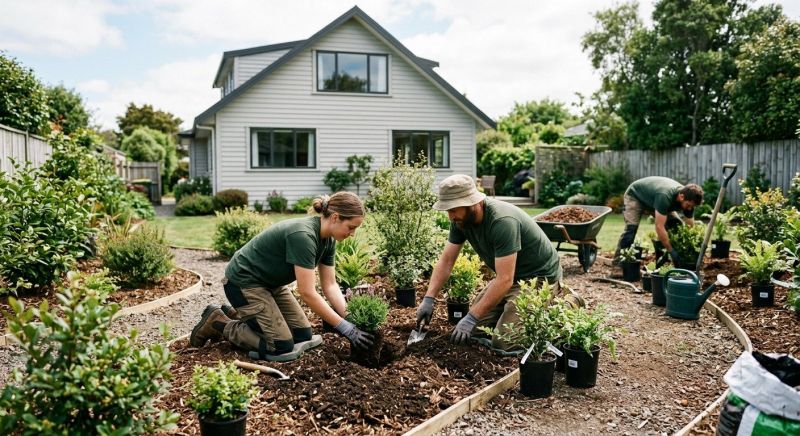
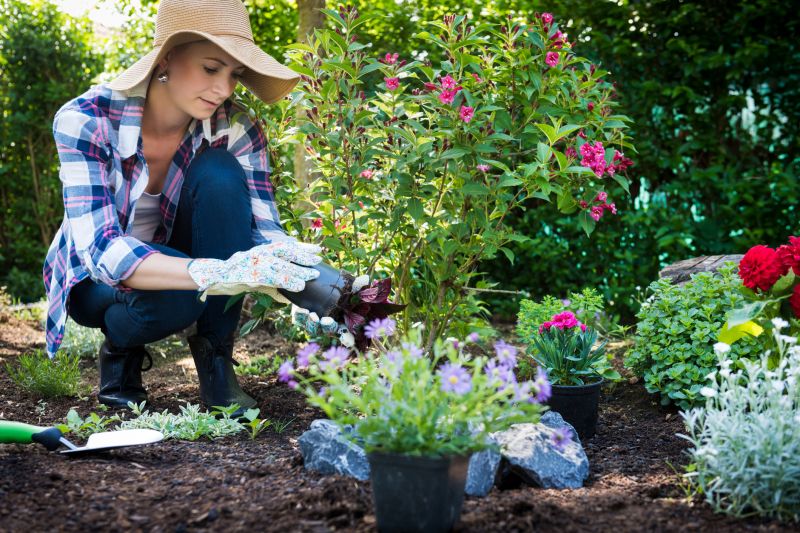
Ground Cover Planting Questions
What types of ground cover plants are suitable for residential properties? Common options include creeping thyme, moss, sedum, and low-growing grasses, which help reduce soil erosion and add visual interest.
How does ground cover planting benefit a property? It helps suppress weeds, reduces maintenance needs, and creates a lush, uniform appearance across lawns or garden beds.
Is ground cover planting appropriate for shaded areas? Yes, many ground cover varieties thrive in shade, making them ideal for areas with limited sunlight.
What should property owners consider before planting ground cover? Assess the soil type, sunlight exposure, and water requirements to choose the best plants for the specific location.
Request Ground Cover Planting in Honolulu, HI
Use the quote form on this page to share the basics of your project and request more information for the type of work you need.